Everybody’s Darling
Wien |Gastronomy
Architect: The Black Square / Photos: Mato Johannik

Project Description
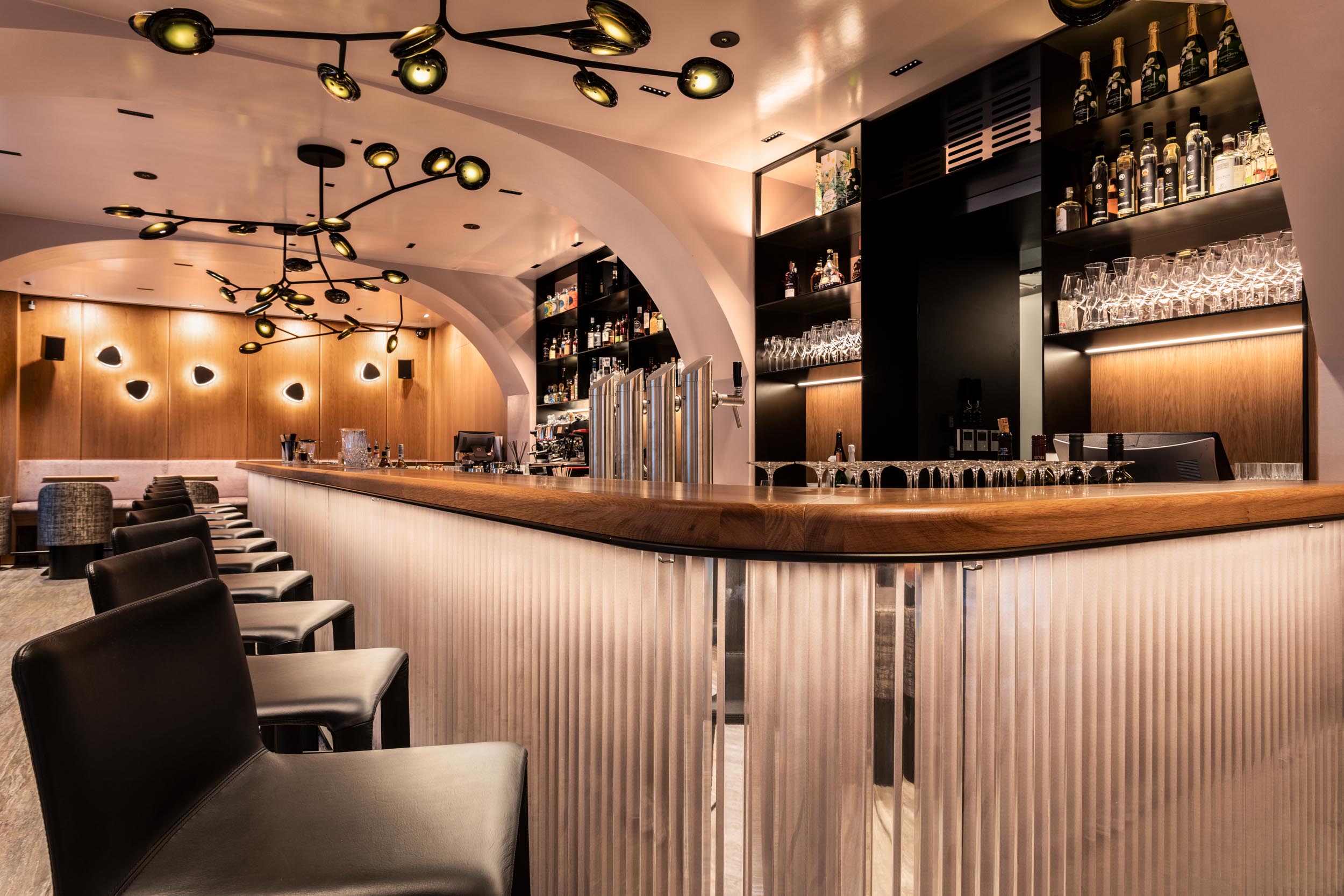
At Everybody’s Darling, the lighting effect intensifies where the dining space has its strongest visual focal point: the bar. Different light sources meet glass, metal, bottles and glossy surfaces, creating a greater density of light than in the surrounding seating areas.
Directed points of light create targeted highlights on functional surfaces and materials. In the bar area, this effect is multiplied through reflections, highlights and transparent surfaces, so that light is generated not only directly by the luminaires but also carried further through the interior.
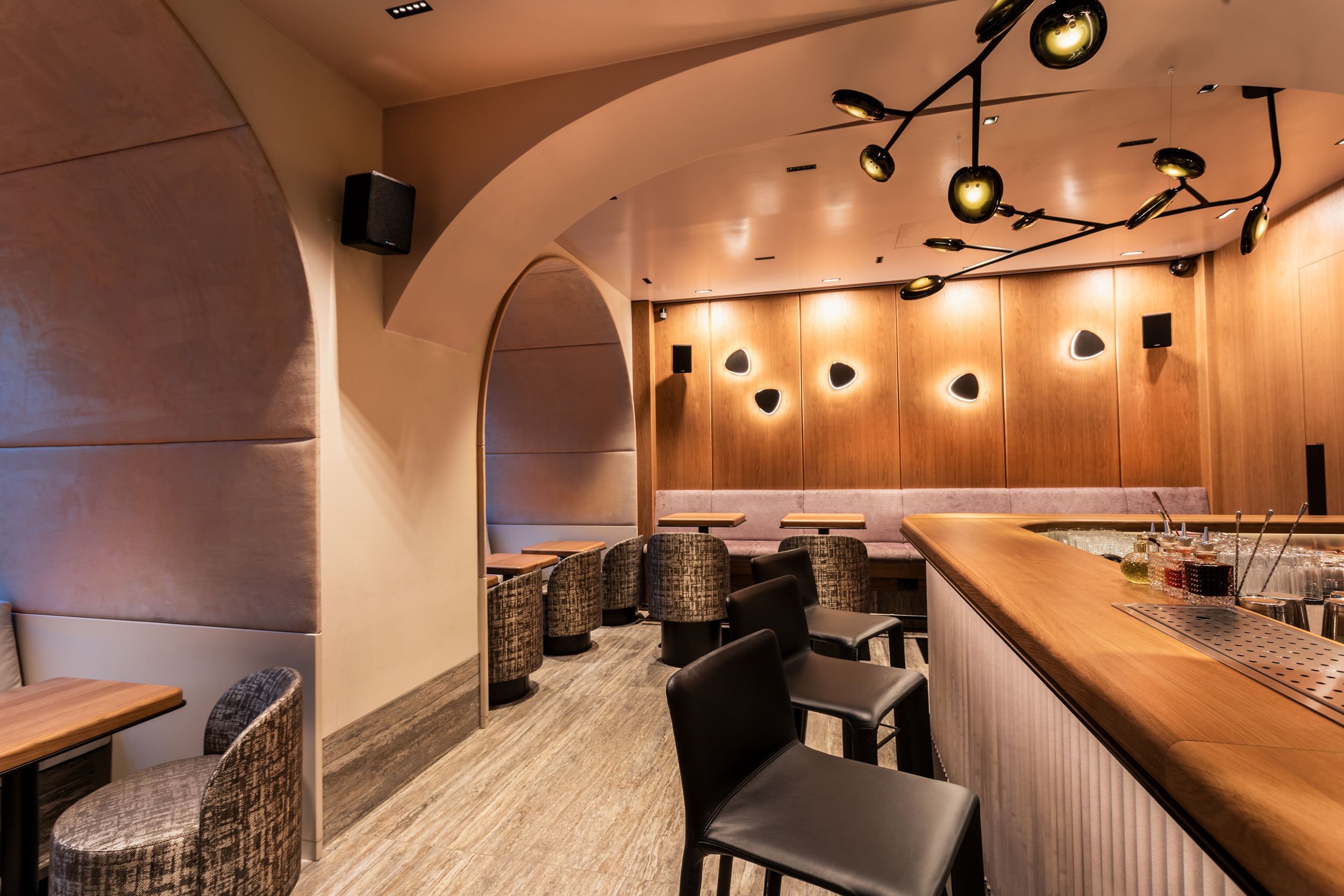
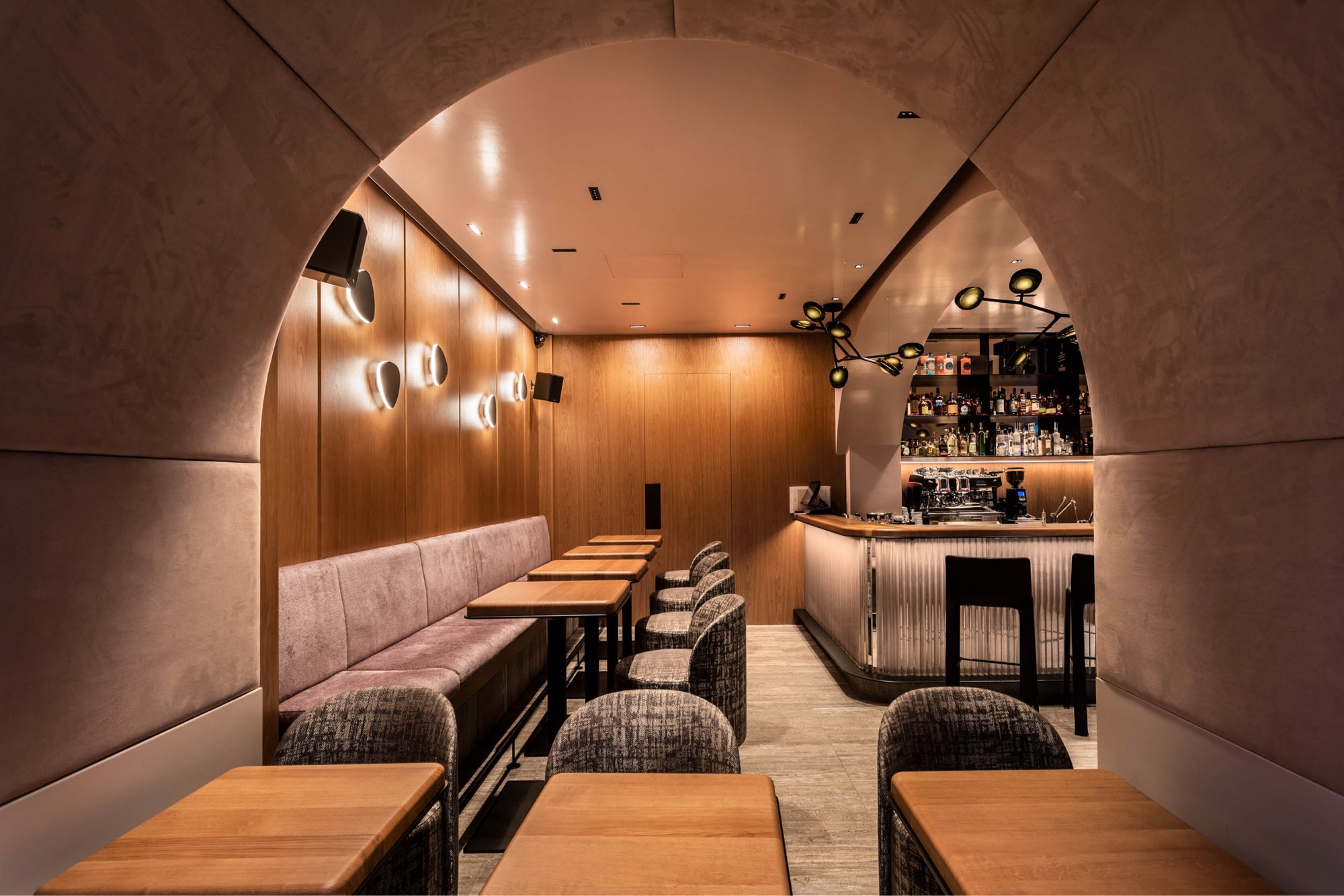
Table groups and other seating areas receive deliberately lower or differently weighted levels of light. This allows the bar to emerge as the visual centre without separating it from the rest of the dining space.
Technical and decorative light sources work together. The lighting responds to material and use, creating an interior whose hierarchy is shaped significantly by different densities of light and the deliberate use of reflective surfaces.



Project Information
Architecture Type: Hospitality and bar interior with a bar area, table groups, seating and lounge zones, and strongly reflective materials.
Lighting Concept & Design Approach: The bar is established as a visual focal point through a higher density of light and the interaction of direct light sources with reflections on glass, metal and bottles. The surrounding seating areas receive graduated lighting levels, creating a clear hierarchy within the space.
Luminaire Integration: A combination of directed technical light sources and decorative luminaires visibly integrated into the interior; reflective surfaces are deliberately used as part of the lighting effect.
Spatial Effect: A layered hospitality interior with a distinctive bar as its visual centre and a lively lighting effect created through reflections, highlights and graduated brightness levels.
Questions about bar lighting design
- How can lighting make a bar the visual focal point of a restaurant?
A higher density of light can distinguish the bar from surrounding areas. At Everybody’s Darling, this concentration is created through direct light sources and additional reflections on glass, metal and bottles.
- What role do reflections play in bar lighting?
Reflective materials pick up incident light and create additional highlights and points of light. This can make the lighting effect spatially richer without requiring additional luminaires everywhere.
- How do glass and metal influence the lighting effect in a bar area?
Glass creates transparency, views through surfaces and reflections, while metallic surfaces can reflect light more strongly. Both materials respond distinctly to the direction and intensity of light and therefore influence the perception of the entire bar area.
- Why can a bar appear brighter or more light-intensive than other restaurant areas?
The bar often has a central spatial and functional role. A deliberately higher density of light can make this significance visible and provide orientation within the dining space.
- How are bar and table areas differentiated through light?
Different lighting intensities and material responses give the areas different visual weight. The bar can therefore appear more distinctive while table and lounge zones remain more restrained.
- Why are technical and decorative luminaires combined in a bar?
Technical luminaires enable precise illumination of functional surfaces and materials. Decorative luminaires complement this function with visible points of light and can further strengthen the identity of individual areas.


