Villa ES
Vienna |Private
Architect: The Black Square
Photo: Mato Johannik

Project Description
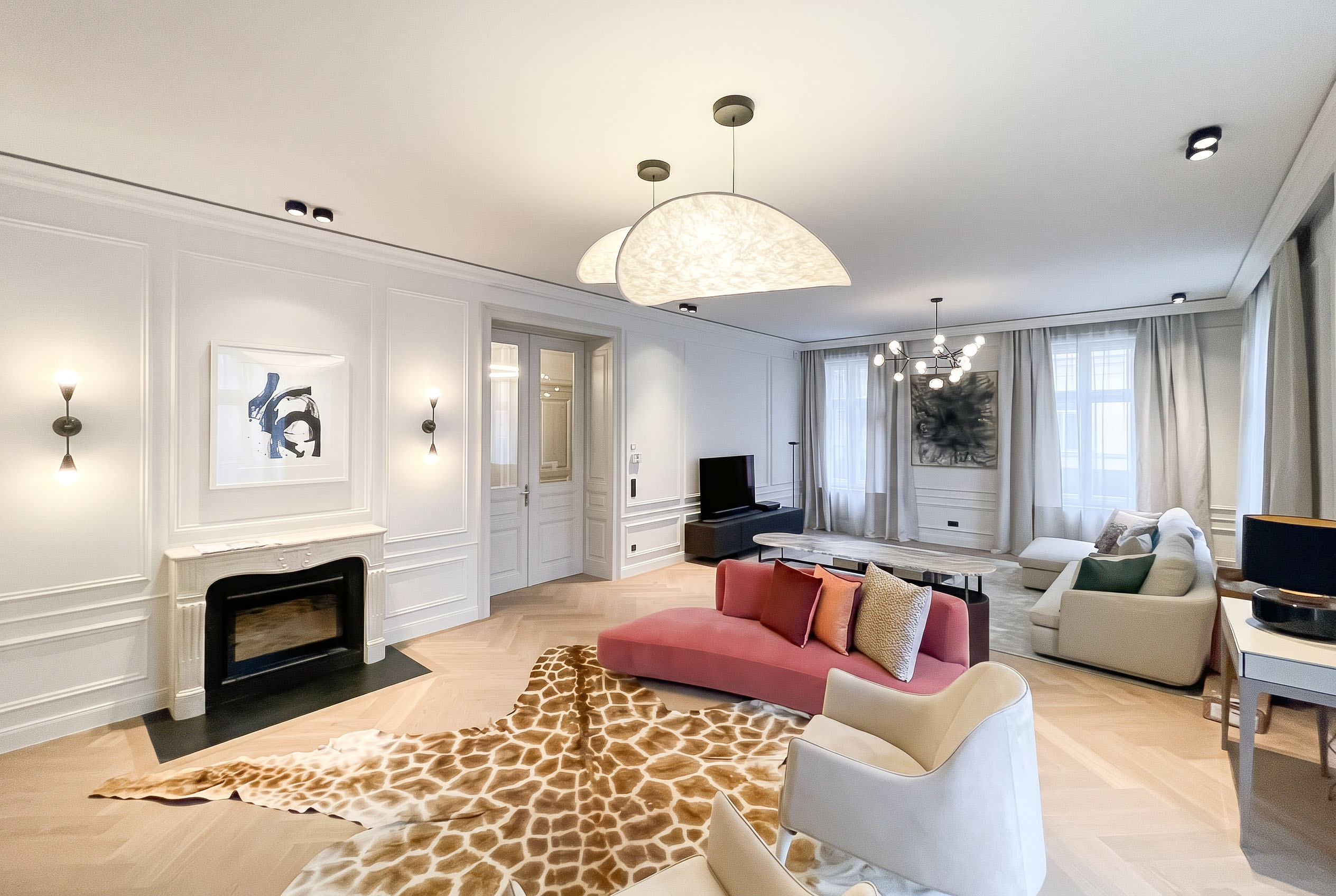
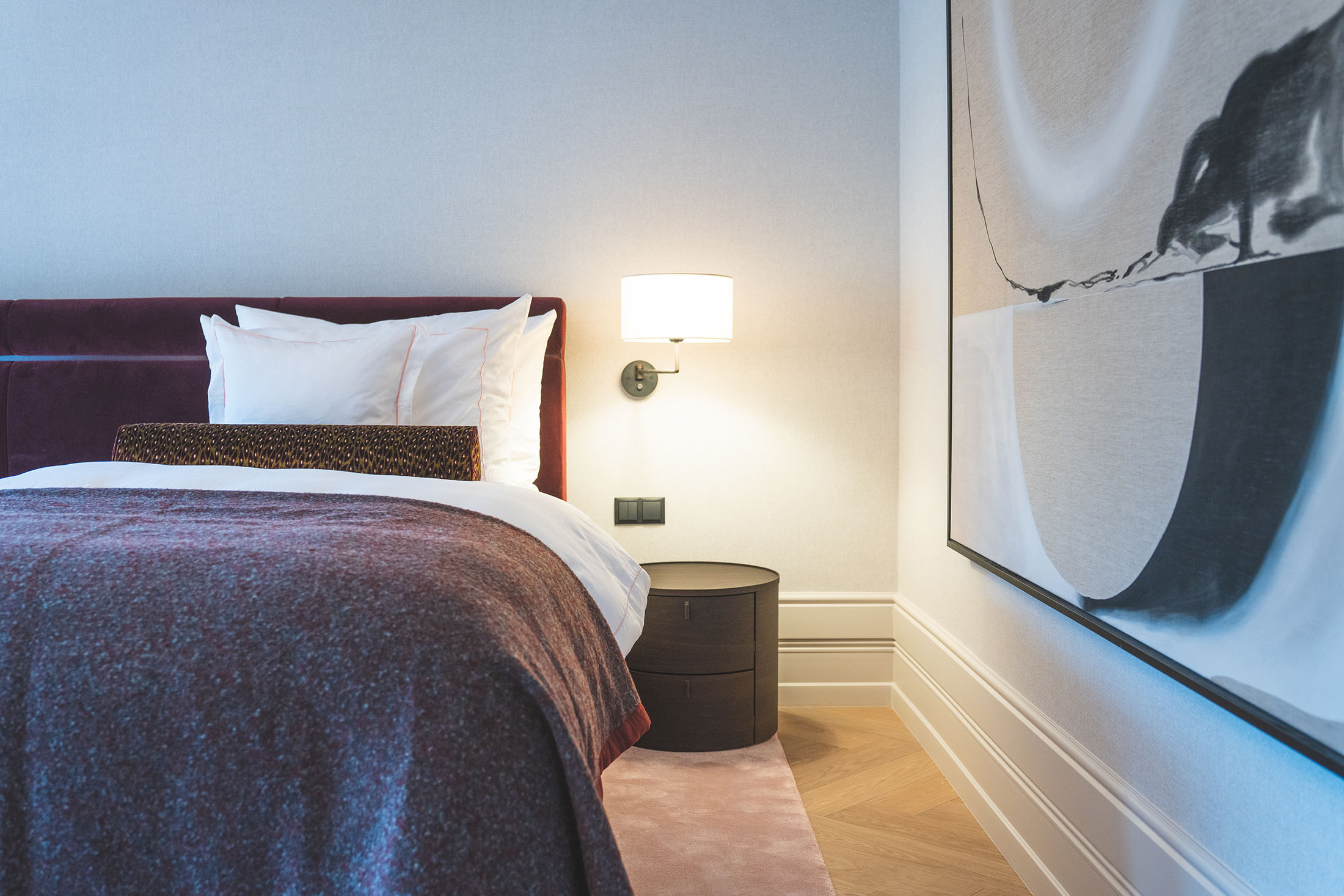
At Villa ES, classical spatial detailing and contemporary design come together with a natural sense of balance. Panelled walls, dark colour surfaces and herringbone parquet give the interiors depth and character, while modern furniture and distinctive luminaires introduce a separate layer within the architecture.
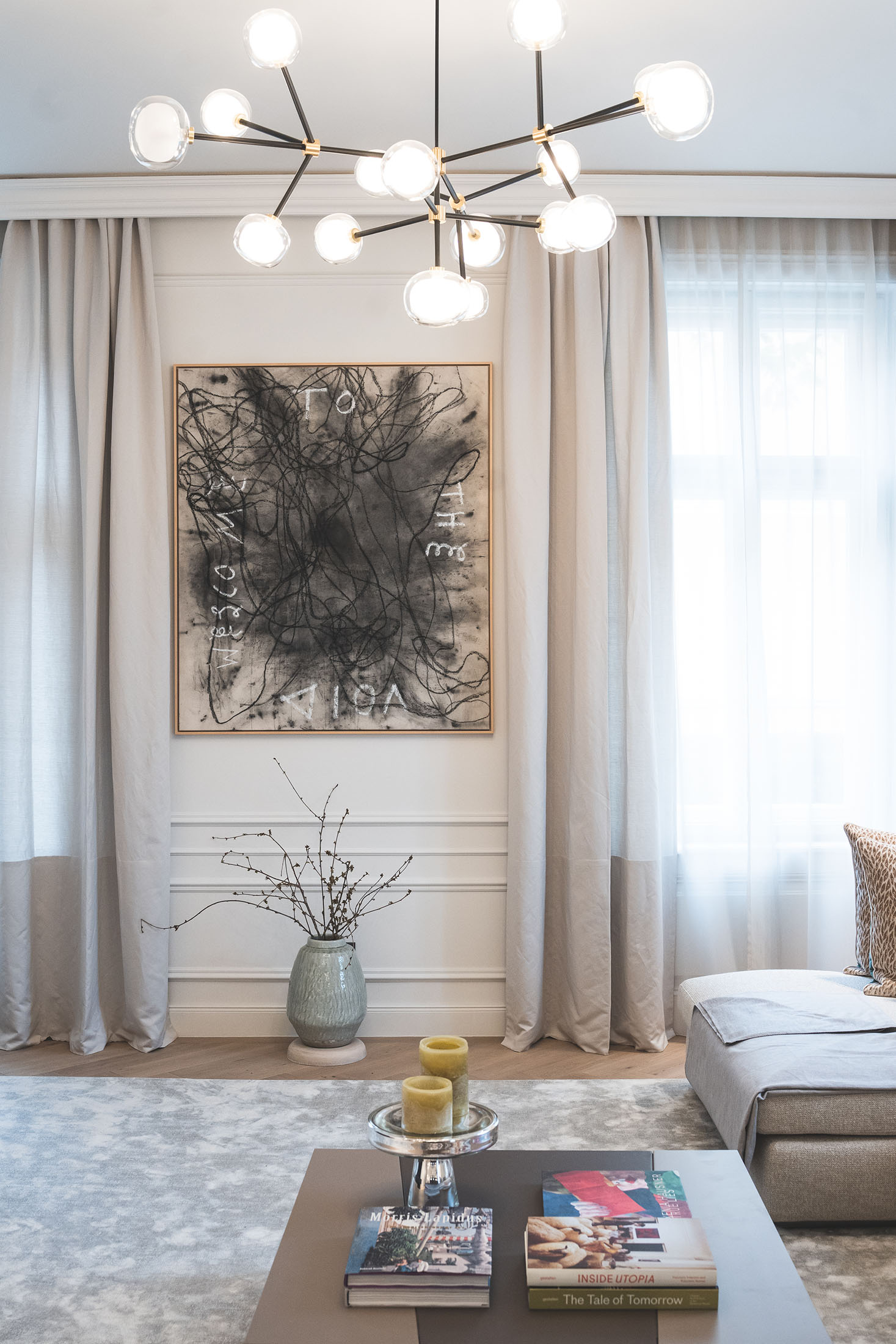
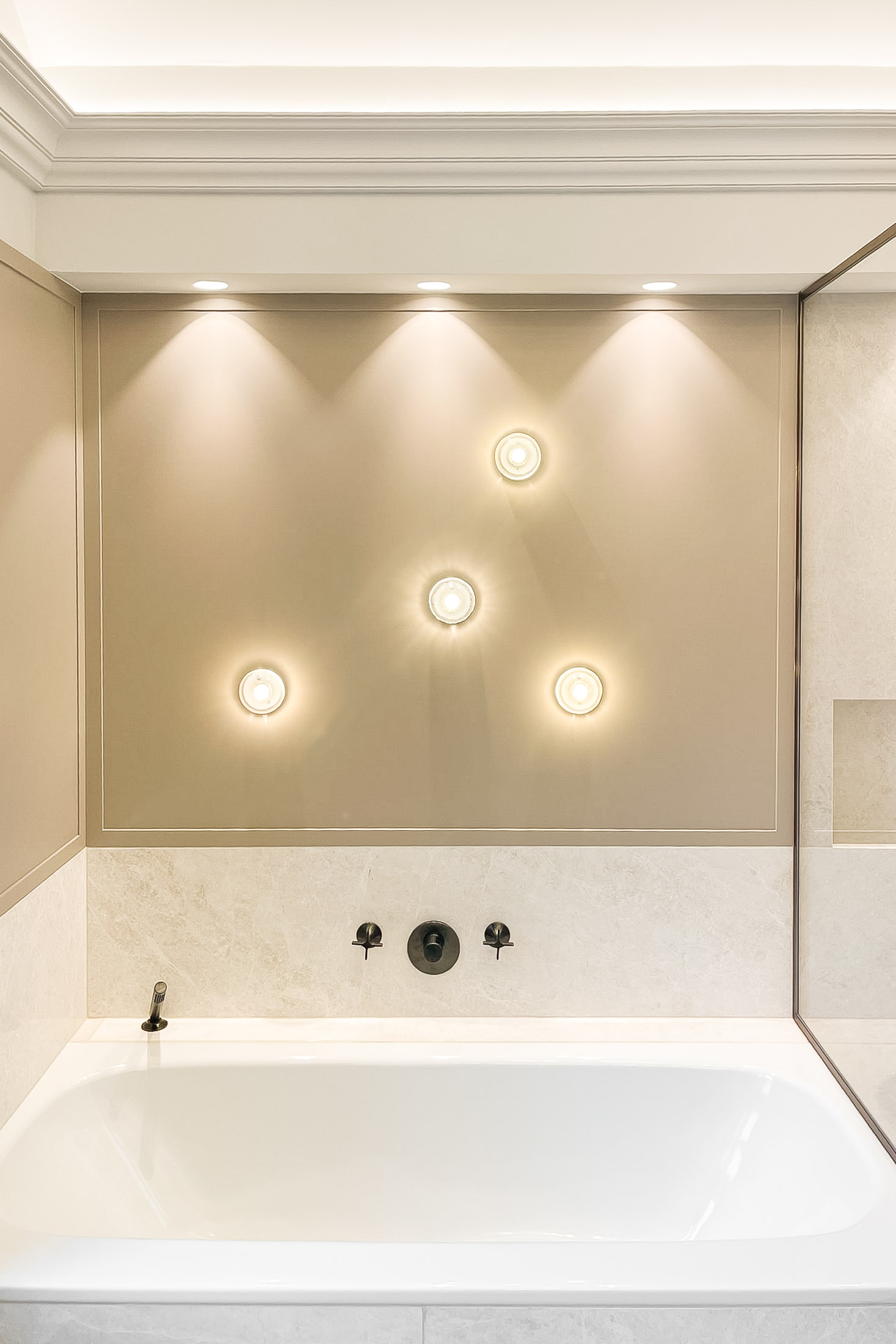
In the living and dining areas, pendant luminaires become spatial reference points. They define individual places within the sequence of rooms while responding to materials, colours and proportions. Directional lighting complements this layer, bringing out the structure of walls and surfaces with greater definition.
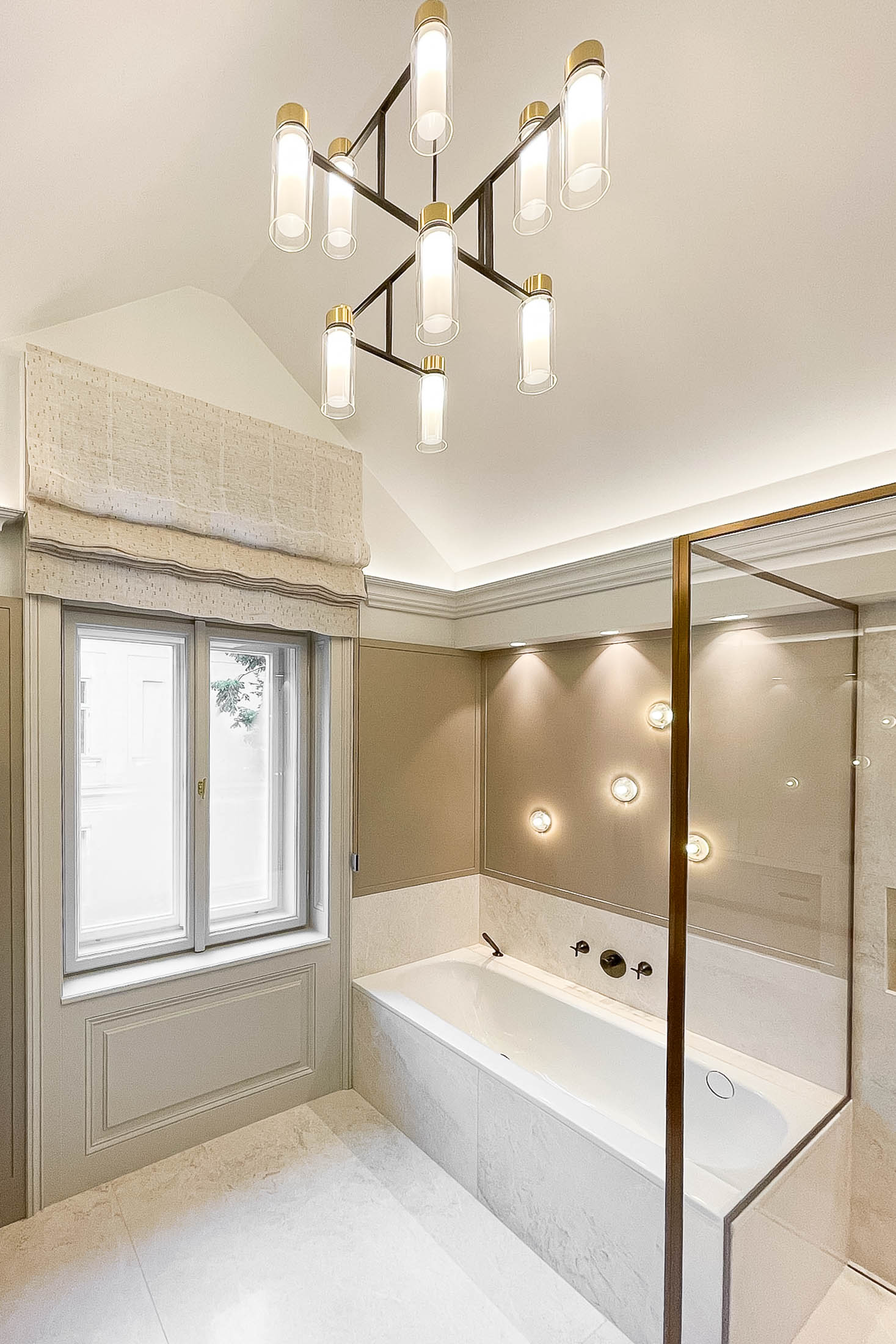
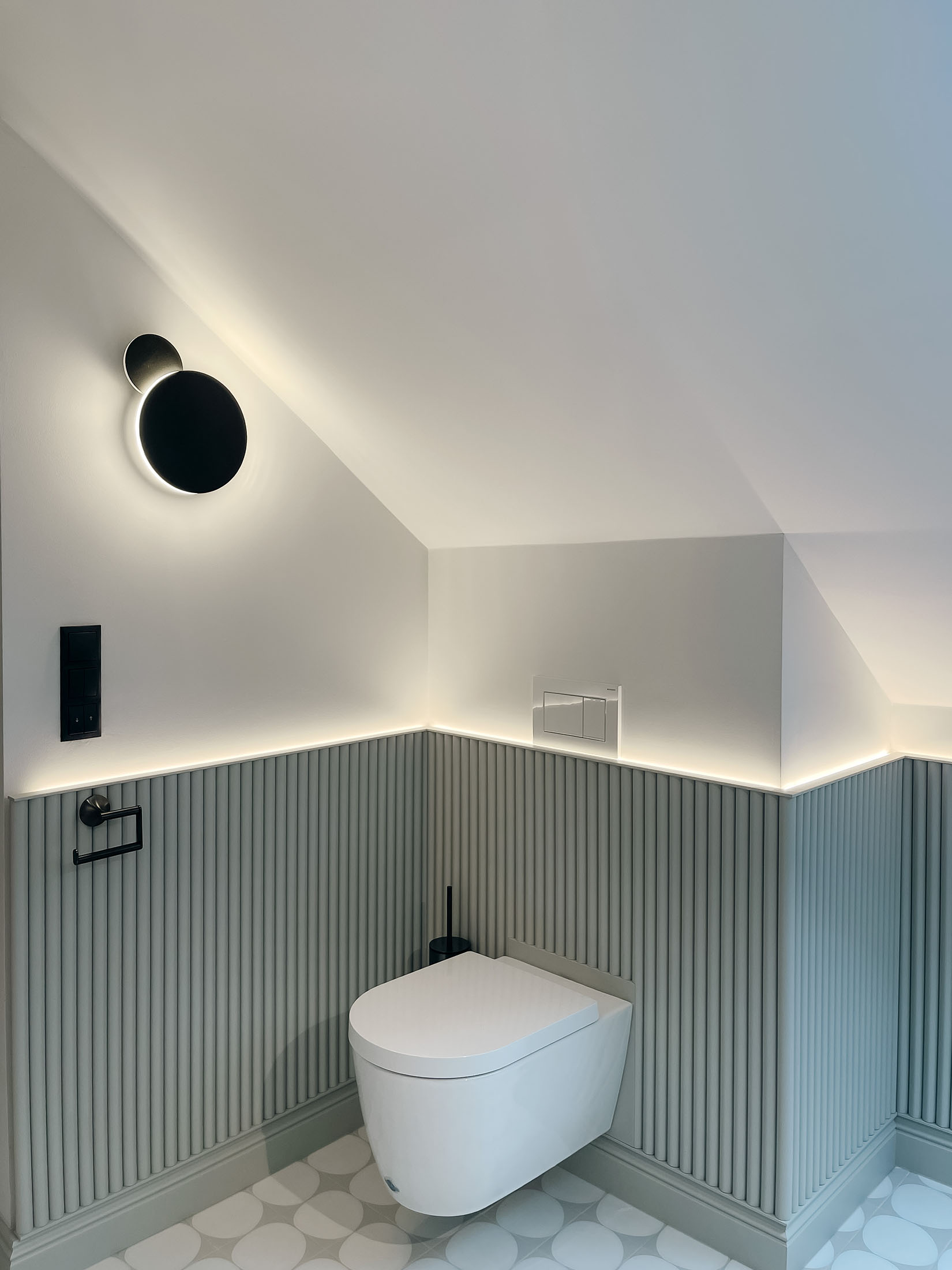
In the more restrained areas, the relationship between light and architecture changes. Linear lighting follows spatial edges and roof planes, while integrated lighting becomes part of furniture and built-in elements. Here, the light source itself recedes in favour of its effect.
This interplay establishes the house’s own lighting order. Visible luminaires give selected spaces a distinct presence, while integrated lighting shapes other areas through surfaces, lines and materials. Rather than following a single formal language throughout, the lighting responds to the individual character of each architectural setting.





Project Information
Architecture Type: Private villa combining classically influenced interiors and contemporary furnishings with more restrained ancillary and attic spaces
Lighting Concept & Design Approach: A differentiated lighting concept that shifts between visible lighting objects, understated ambient lighting and architecturally integrated light depending on the space. Decorative luminaires define selected areas of use, while directional and linear lighting systems perform functional and architectural roles.
Luminaire Integration: A combination of large-scale pendant luminaires, understated ceiling spotlights, a variety of wall luminaires, and linear lighting systems integrated into furniture. Depending on the space, luminaires are either deliberately visible as design elements or integrated into the architecture and built-in elements so that their lighting effect takes precedence.
Spatial Effect: Distinct lighting characters differentiate the living, dining, kitchen, circulation and ancillary areas. The interplay of visible luminaires, directional lighting and integrated light lines responds to the varying proportions, materials and uses of each space.
Questions About Lighting Design in Classical and Contemporary Living Spaces
- Why are different lighting systems combined in a villa?
Different spaces place different demands on lighting and spatial perception. In this project, decorative luminaires, technical ambient lighting, directional lighting and integrated lighting systems are balanced differently according to the architecture and use of each space.
- What role do large pendant luminaires play above a dining table?
Large-scale pendant luminaires can clearly define the dining area within a sequence of rooms and give it a distinct spatial focus. In this villa, they are deliberately visible as design elements and create a striking contrast with the dark walls and curtains.
- Why are ceiling spotlights used in addition to decorative luminaires?
Decorative luminaires do not need to perform every lighting task within a room. Understated ceiling spotlights complement them with ambient and directional light, allowing spaces, wall surfaces and functional areas to be illuminated in a balanced way.
- What effect can a large glass luminaire create above a staircase?
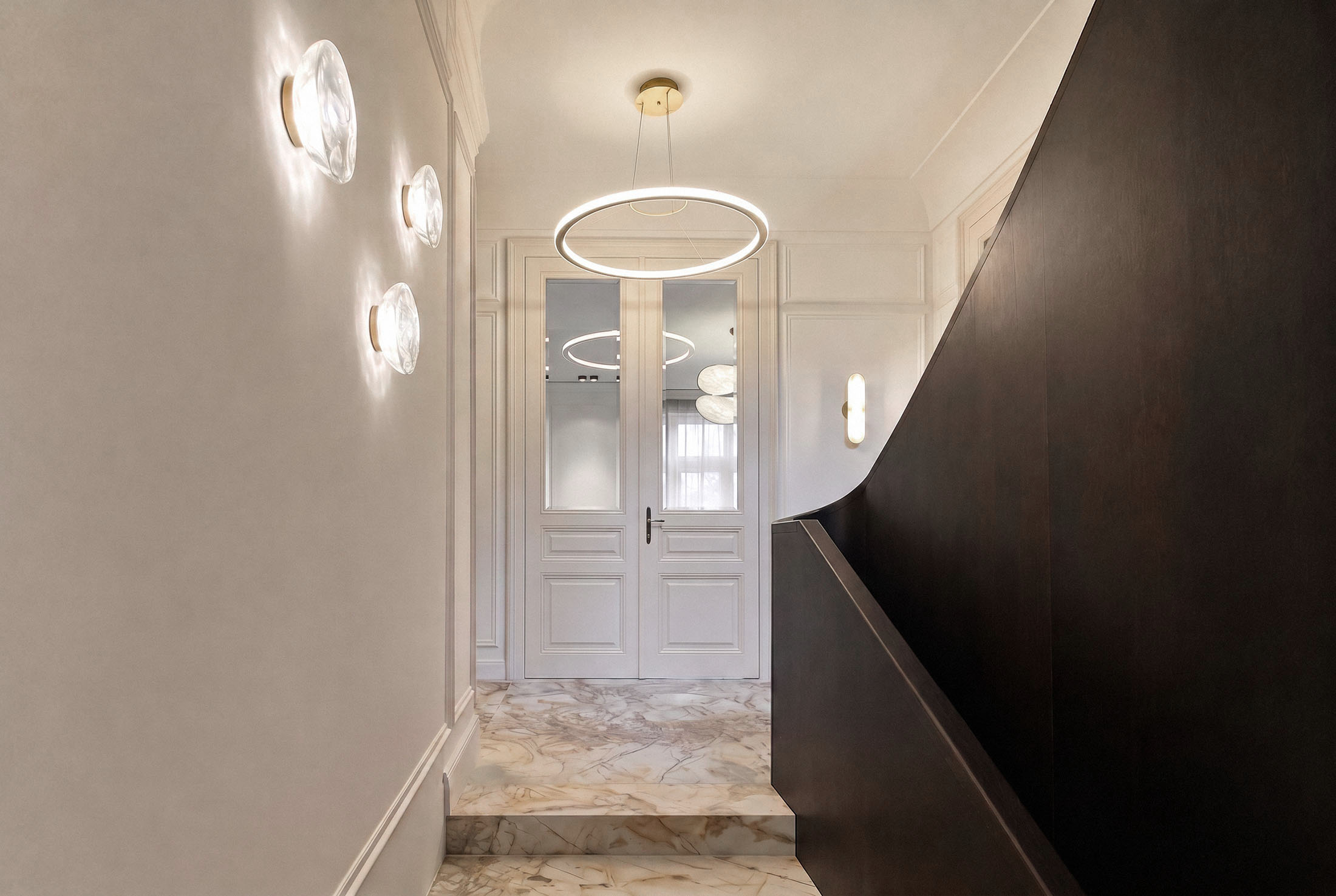
A large-scale luminaire can visually anchor a tall circulation space and create a reference point that can be perceived from different positions. In this project, the glass luminaire makes use of the available height and turns the staircase into a distinct lighting setting within the house.
- What role do wall luminaires play in residential lighting?
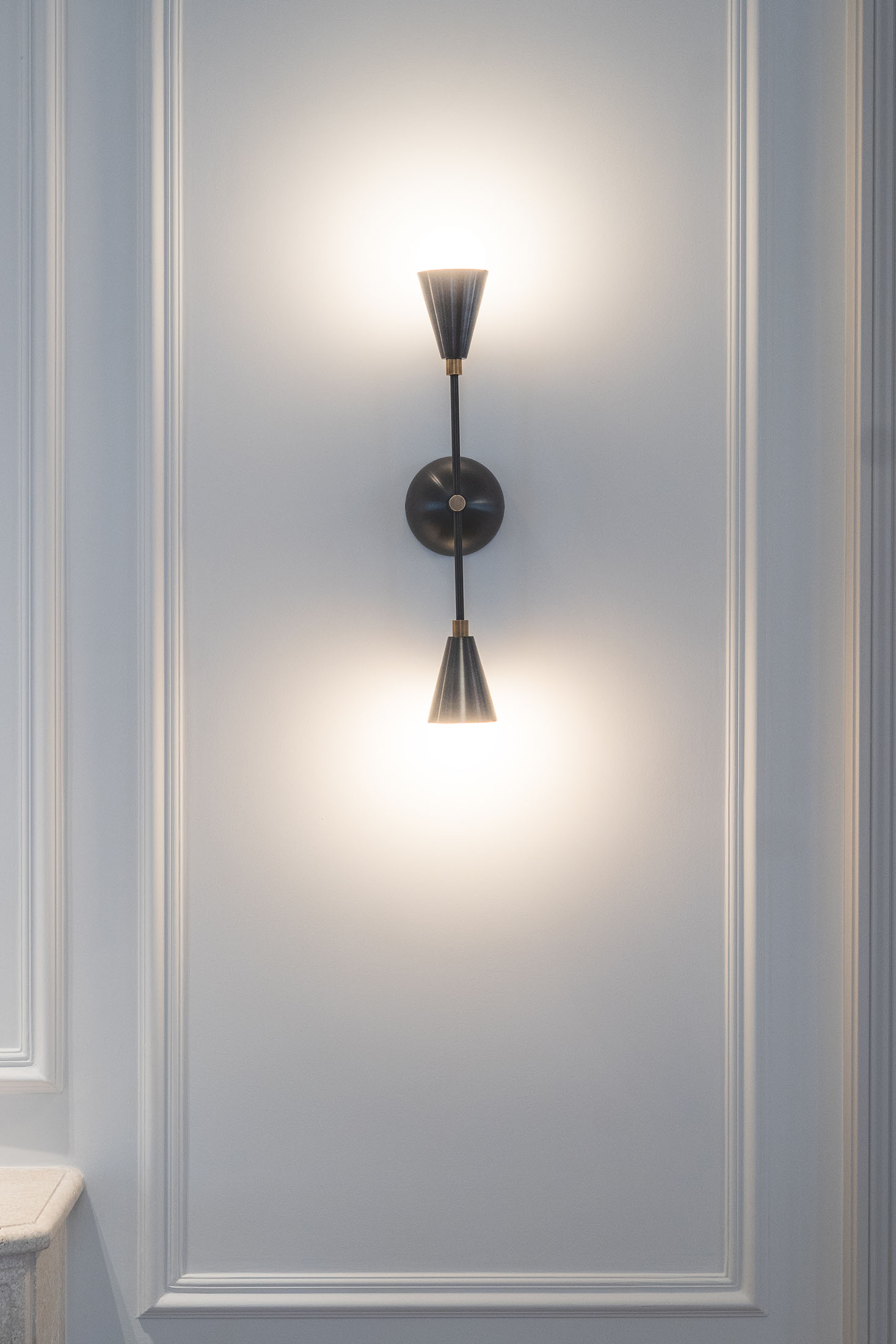
Wall luminaires introduce light to vertical surfaces while also becoming part of the interior design themselves. In this villa, different wall luminaires are used selectively, allowing their design and lighting effect to respond to the individual character of each room, wall surface and interior setting.
- When is integrated lighting more suitable than a visible luminaire?
Integrated lighting is particularly effective where the architecture, furniture or spatial edges should remain the primary focus. In this project, linear lighting traces spatial edges and roof planes, while integrated shelf lighting directs attention towards the objects displayed within.